Article reviewed by Dr. Patricia Morrison, MD, Board-Certified Hospice and Palliative Medicine Physician with 18+ years experience in end-of-life care in Oklahoma.
When someone you love has experienced a stroke, the days and weeks that follow can feel overwhelming. You’re navigating rehabilitation appointments, working with therapists, and holding onto hope for recovery. But sometimes, despite everyone’s best efforts, improvement stops happening. The person you knew before the stroke isn’t coming back, and you’re left wondering what comes next.
This is the moment when many Oklahoma families start asking difficult questions about hospice care. The transition from active treatment to comfort care after stroke is one of the hardest decisions you’ll ever make, but understanding when hospice is appropriate can help you provide your loved one with the dignity, comfort, and quality of life they deserve.
Quick Answer: When Is Hospice Appropriate After Stroke?
Hospice care becomes appropriate for stroke patients when recovery has plateaued despite rehabilitation efforts, the patient has a life expectancy of six months or less, and medical indicators show significant functional decline. Common scenarios include massive stroke with minimal consciousness, multiple strokes with cumulative decline, severe comorbidities like heart failure or dementia, or when the patient cannot eat, speak, or recognize loved ones. Medicare-certified hospice providers like Oklahoma Home Hospice in Tulsa and Muskogee can provide compassionate care focused on comfort and quality of life.
Understanding Stroke and When Recovery Plateaus
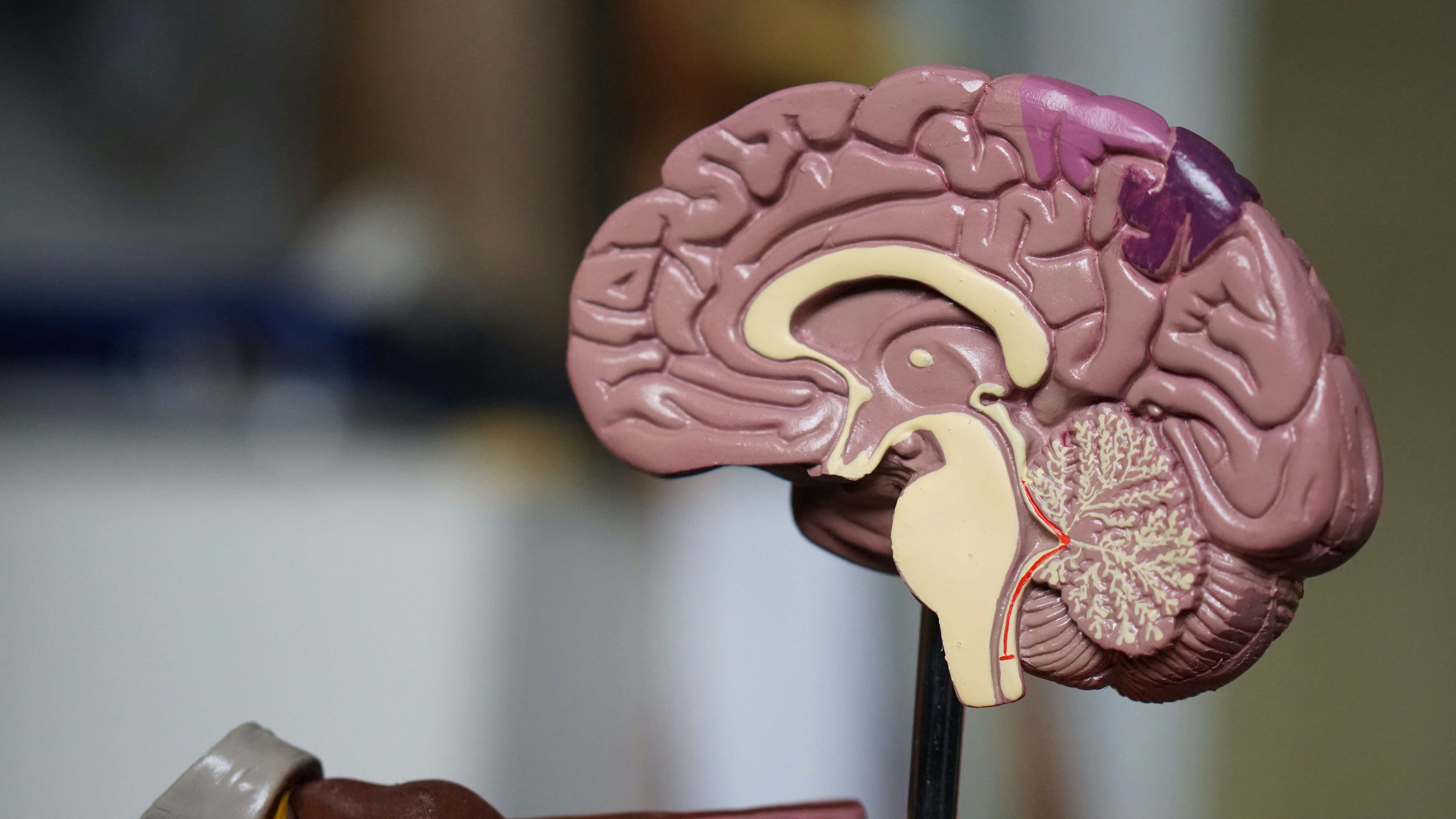
A stroke, also called a cerebrovascular accident (CVA), occurs when blood flow to part of the brain is interrupted, causing brain cells to die. The effects depend on which part of the brain was damaged and how severe the stroke was. Some people recover well with rehabilitation, regaining speech, movement, and independence. Others face permanent disabilities that require ongoing care.
The Rehabilitation Window
Most stroke recovery happens in the first three to six months after the event. This is when the brain has the greatest capacity for neuroplasticity—the ability to form new neural pathways and compensate for damaged areas. During this window, physical therapy, occupational therapy, and speech therapy can make remarkable differences.
Healthcare providers at facilities like Saint Francis Hospital in Tulsa or INTEGRIS Baptist Medical Center in Muskogee work intensively with stroke patients during this critical period. Therapists focus on helping patients relearn basic skills like walking, eating, and communicating.
Signs That Recovery Isn’t Happening
Sometimes, despite weeks or months of therapy, meaningful improvement doesn’t occur. Signs that recovery has plateaued include:
- No functional gains after 3-6 months of consistent rehabilitation therapy
- Progressive decline instead of improvement, with the patient losing abilities rather than gaining them
- Cognitive impairment that prevents participation in therapy or understanding instructions
- Multiple complications such as recurrent pneumonia, infections, or additional strokes
- Inability to swallow safely (dysphagia), leading to aspiration risk and feeding tube dependence
- Complete dependence for all activities of daily living with no progress toward independence
When these signs appear, families and physicians begin considering whether continuing aggressive treatment serves the patient’s best interests, or whether focusing on comfort and quality of life makes more sense.
Hospice Eligibility Criteria for Stroke Patients
Medicare, Medicaid through Oklahoma’s SoonerCare program, and private insurance cover hospice care when a physician certifies that a patient has a life expectancy of six months or less if the disease follows its expected course. For stroke patients, specific medical criteria help determine eligibility.
Medical Indicators for Stroke Hospice Eligibility
According to Medicare hospice guidelines, stroke patients typically qualify for hospice when they meet several of the following criteria:
Functional Status Decline:
- Palliative Performance Scale (PPS) score of 40% or less, indicating significant functional impairment
- Unable to ambulate without total assistance
- Unable to perform any activities of daily living independently
- Primarily bed-bound or chair-bound
Cognitive and Neurological Impairment:
- Severe to profound dementia or cognitive dysfunction
- Unable to communicate verbally or respond to simple commands
- Loss of meaningful interaction with environment
- Persistent vegetative state or minimally conscious state
Medical Complications:
- Dysphagia (difficulty swallowing) leading to aspiration pneumonia
- Recurrent infections despite antibiotic treatment
- Pressure ulcers that aren’t healing (Stage 3 or 4)
- Urinary and fecal incontinence
- Seizure disorder difficult to control with medication
Laboratory and Clinical Indicators:
- Declining albumin levels indicating poor nutrition
- Weight loss of more than 10% in six months
- Refusal or inability to maintain adequate nutrition and hydration
- Development of sepsis or other life-threatening infections
Timing Considerations
It’s important to understand that hospice isn’t only for patients who are actively dying in the next few days or weeks. Many stroke patients receive hospice care for several months, focusing on maximizing comfort and quality of life during this time.
Dr. Sarah Chen, a neurologist at Oklahoma Heart Hospital in Oklahoma City, explains: “Families often wait too long to consider hospice because they think it means giving up. But hospice is about living as comfortably as possible for whatever time remains. For stroke patients who aren’t improving, hospice can provide better quality of life than continued aggressive treatment.”
Common Scenarios When Families Choose Hospice After Stroke
Understanding real-life situations when hospice becomes appropriate can help you recognize when it might be right for your family.
Massive Stroke with Minimal Consciousness
Harold, a 78-year-old from Broken Arrow, suffered a massive hemorrhagic stroke that affected his entire left hemisphere. After three months in rehabilitation at Hillcrest Medical Center in Tulsa, he remained in a minimally conscious state—unable to speak, recognize family members, or participate in any therapy. He required total care for all needs and had developed recurrent aspiration pneumonia despite a feeding tube.
Harold’s family made the difficult decision to transition to hospice care, focusing on keeping him comfortable and free from distressing symptoms rather than pursuing aggressive treatments for each new infection.
Multiple Strokes with Cumulative Decline
Martha had three strokes over two years. Each one took away more of her abilities. After the first stroke, she needed a walker. After the second, she was wheelchair-bound. After the third stroke, she couldn’t swallow safely, couldn’t recognize her daughter, and spent most of her time sleeping or confused.
Her physician at Saint John Medical Center in Tulsa explained that with her advanced heart failure and vascular disease, more strokes were likely, and each would cause further decline. Martha’s family chose hospice to ensure she remained comfortable and received compassionate care at home in Muskogee rather than repeated hospitalizations.
Stroke with Severe Comorbidities
James, 82, had a moderate stroke that left him with right-sided weakness and difficulty speaking. While the stroke itself wasn’t massive, James also had advanced congestive heart failure, chronic kidney disease, and moderate dementia. His multiple conditions meant he couldn’t participate effectively in rehabilitation, and his overall prognosis was poor regardless of the stroke.
His care team at Oklahoma Heart Institute recommended hospice because his combined medical conditions made recovery unlikely and continuing aggressive treatment was causing him distress.
When the Patient Cannot Eat, Speak, or Recognize Loved Ones
Perhaps the most heartbreaking situation is when a stroke leaves someone unable to interact meaningfully with the world around them. Betty could no longer eat by mouth, speak even single words, or show recognition when her grandchildren visited. She didn’t respond to voices, touch, or favorite music.
Her family struggled with whether hospice meant “giving up,” but ultimately decided that Betty’s quality of life mattered more than prolonging life at any cost. Hospice allowed them to focus on her comfort, play her favorite hymns, and hold her hand without the burden of therapy appointments that brought no improvement.
What Hospice Provides for Stroke Patients in Oklahoma
When you choose hospice care for a stroke patient in Oklahoma, you’re not choosing to do nothing—you’re choosing a different kind of care focused entirely on comfort, dignity, and quality of life.
Comfort Care and Symptom Management
Hospice nurses work closely with physicians to manage distressing symptoms that stroke patients often experience:
- Pain management from muscle spasticity, contractures, or pressure areas
- Anxiety and agitation using medications and calming interventions
- Respiratory comfort if breathing becomes labored
- Nausea and digestive issues related to medications or positioning
The hospice team adjusts medications as often as needed to keep your loved one comfortable. Unlike traditional care where you might wait days for an appointment to address new symptoms, hospice provides immediate response.
Preventing Aspiration Pneumonia
One of the most common complications after stroke is aspiration pneumonia—when food, liquid, or saliva goes into the lungs instead of the stomach. For stroke patients with swallowing difficulties (dysphagia), this can happen repeatedly.
Hospice teams provide education on safe positioning during meals, thickening liquids when appropriate, and careful oral care to reduce bacteria in the mouth. When aspiration pneumonia does occur, hospice focuses on comfort measures rather than aggressive antibiotics that may only temporarily delay the inevitable.
Managing Immobility Complications
Stroke patients who are bed-bound or have limited mobility face risks including:
- Pressure ulcers (bedsores) from prolonged pressure on bony areas
- Muscle contractures where joints become permanently bent
- Blood clots in the legs (deep vein thrombosis)
- Pneumonia from inability to clear lung secretions
Hospice aides provide regular turning and repositioning, skin care, range-of-motion exercises, and specialized equipment like pressure-relieving mattresses. These interventions focus on comfort rather than cure, preventing painful complications that would diminish quality of life.
Family Support During Difficult Transition
Perhaps most importantly, hospice provides emotional and practical support for families. The transition from hoping for recovery to accepting that your loved one won’t get better is profoundly difficult.
Hospice social workers and chaplains offer:
- Grief counseling and emotional support
- Help navigating difficult family dynamics and decision-making
- Assistance with advance directives and healthcare decisions
- Connection to community resources in Tulsa and Muskogee
- Bereavement support that continues for 13 months after death
You’re not alone in this journey. The hospice team walks alongside you, providing guidance, support, and compassion.
How to Start Hospice Care After Stroke in Tulsa and Muskogee
If you’ve recognized that hospice might be appropriate for your loved one after stroke, here are the practical steps to get started.
Getting Physician Certification
Hospice care requires certification from a physician stating that the patient has a life expectancy of six months or less if the disease follows its expected course. This can come from:
- The patient’s primary care physician
- The neurologist who treated the stroke
- The hospice medical director
You don’t need to wait for the doctor to suggest hospice—you can ask about it. Many physicians appreciate when families raise the topic because it opens important conversations about goals of care.
Timeline for Enrollment
Once you decide to pursue hospice and have physician certification, enrollment can happen quickly:
-
Initial Contact - Call a Medicare-certified hospice provider like Oklahoma Home Hospice. A team member will explain services, answer questions, and schedule an assessment.
-
Assessment Visit - A hospice nurse visits the patient (at home, in assisted living, or in a nursing facility) to assess their condition and confirm hospice appropriateness.
-
Enrollment - If the patient meets criteria and the family agrees, enrollment paperwork is completed. This includes consent forms, advance directives, and contact information.
-
Care Begins - Usually within 24 hours of enrollment, the full hospice team begins providing care.
What to Expect in the First 24-48 Hours
When hospice care begins, things move quickly to ensure the patient is comfortable:
- Delivery of medical equipment - Hospital bed, oxygen if needed, wheelchair or walker
- Delivery of medications - All medications related to the stroke and comfort care are provided
- Nursing assessment - A registered nurse conducts a comprehensive assessment
- Care plan development - The team creates an individualized care plan based on the patient’s needs
- Family education - The team teaches family caregivers about daily care, medication administration, and what to expect
You’ll receive contact information for the hospice team’s 24/7 phone line. You can call anytime, day or night, if you have questions or concerns.
Resources in Tulsa and Muskogee
Several organizations in Oklahoma can provide additional support and information as you navigate stroke care and hospice decisions:
Oklahoma Stroke Association Phone: (405) 631-8451 Website: www.heart.org/oklahoma Services: Stroke support groups, educational resources, connection to local stroke survivors and caregivers
Oklahoma Health Care Authority (SoonerCare) Phone: (800) 987-7767 Address: 4345 N Lincoln Blvd, Oklahoma City, OK 73105 Website: www.okhca.org Hours: Monday-Friday, 8:00 AM - 5:00 PM Services: Information about Medicaid hospice benefits in Oklahoma, SoonerCare enrollment assistance
Tulsa Area Agency on Aging Phone: (918) 596-7688 Address: 175 E 2nd St #434, Tulsa, OK 74103 Website: www.incog.org/aging-services Hours: Monday-Friday, 8:00 AM - 5:00 PM Services: Caregiver support, respite care information, senior resource navigation
Oklahoma Family Network Phone: (877) 871-0085 Website: www.oklahomaFamilyNetwork.org Services: Family support, care coordination, connection to disability and healthcare resources
National Stroke Association Hotline Phone: (800) STROKES (787-6537) Services: 24/7 stroke information, recovery resources, family support
Frequently Asked Questions
Can stroke patients recover after starting hospice?
While rare, if a stroke patient’s condition improves significantly and their life expectancy extends beyond six months, they can be discharged from hospice. However, most stroke patients who meet hospice criteria don’t experience meaningful recovery. You’re making the best decision based on current circumstances, and if things change, the care plan can change too.
How long do stroke patients typically live on hospice?
The length of time varies greatly depending on the severity of the stroke, other medical conditions, and individual circumstances. Some stroke patients live only days or weeks after enrollment, while others may receive hospice care for several months. The median length of stay for stroke patients on hospice is approximately 2-3 months according to National Hospice and Palliative Care Organization data.
Does choosing hospice mean we stop physical therapy?
Yes, typically when someone enrolls in hospice, rehabilitation therapies stop. This is because hospice focuses on comfort and quality of life rather than curative or restorative treatment. However, if gentle range-of-motion exercises provide comfort and prevent painful contractures, the hospice team can continue these as comfort measures rather than rehabilitation.
What if we’re not ready to give up on rehabilitation?
This is completely understandable. No one wants to “give up” on someone they love. Consider asking yourself: Is rehabilitation improving quality of life or causing distress? Is there meaningful progress or has improvement stopped? What would your loved one want? You might also consider a palliative care consultation before hospice—palliative care can provide comfort alongside continued treatment. Take the time you need to make this decision, but don’t let guilt prevent you from choosing comfort when recovery truly isn’t happening.
Will hospice provide a hospital bed and wheelchair?
Yes, hospice provides all necessary durable medical equipment related to the hospice diagnosis at no cost to the family. This includes hospital beds, wheelchairs, walkers, bedside commodes, oxygen equipment, and other items needed for comfort and care. Delivery usually occurs within 24 hours of enrollment.
Can we still call 911 if there’s an emergency?
When enrolled in hospice, the goal is to manage symptoms and crises at home with hospice support rather than calling 911 or going to the emergency room. However, you always have the right to call 911 if you feel it’s necessary. Hospice provides a 24/7 phone line where a nurse is always available to respond to emergencies, often arriving at the home within an hour. Most situations that would prompt a 911 call can be managed by the hospice team at home.
Does insurance cover hospice for stroke patients?
Yes, hospice care is fully covered by Medicare Part A, Medicaid through Oklahoma’s SoonerCare program, and most private insurance plans. There are no out-of-pocket costs for hospice services, medications related to the stroke diagnosis, medical equipment, or supplies. Veterans may also access hospice benefits through the VA Healthcare System.
What happens if the patient has another stroke while on hospice?
If a hospice patient has another stroke, the hospice team manages the new symptoms with a focus on comfort rather than aggressive intervention. This means controlling any pain, agitation, or respiratory distress, but not pursuing diagnostic tests like CT scans or treatments like clot-busting drugs. The goal remains keeping the patient comfortable and supporting the family through the progression of illness.
Can family members stay overnight when receiving hospice at home?
Absolutely. When receiving hospice care at home, family members can be present 24/7 if they wish. This is one of the benefits of home hospice—your loved one remains in a familiar environment surrounded by family. Hospice doesn’t provide 24-hour staffing at home for routine care (though continuous care is available during crises), but family and friends can stay as much as they want.
How do we know we’re making the right decision?
There’s no perfect answer to this question, but you can find peace in knowing you’re making the most loving decision possible based on the information you have. Ask yourself: What would honor my loved one’s wishes and values? What provides the best quality of life right now? Am I holding onto hope for recovery that’s not realistic, or am I seeing actual improvement? Talk to the medical team, talk to your family, and trust that choosing comfort and dignity is never the wrong choice when recovery isn’t possible.
Conclusion: Choosing Compassion and Comfort
Deciding to transition a stroke patient to hospice care is never easy. You may feel like you’re giving up, abandoning hope, or not doing enough. But when recovery has truly plateaued and aggressive treatment only prolongs suffering without improving quality of life, choosing hospice is an act of profound love and compassion.
Hospice doesn’t mean doing nothing—it means doing everything possible to ensure comfort, dignity, and meaningful time with family. It means your loved one won’t suffer from untreated symptoms. It means you’ll have support navigating one of life’s most difficult journeys.
In Tulsa, Muskogee, and throughout Oklahoma, Medicare-certified hospice providers stand ready to support stroke patients and their families with expert medical care, emotional support, and compassionate presence. If you’re wondering whether hospice might be appropriate for someone you love after stroke, reach out to a hospice provider for a consultation. There’s no commitment in asking questions, and the conversation might provide the clarity you need to make this important decision.
Your loved one deserves comfort. You deserve support. Hospice can provide both.